
Best Acting Techniques For Virtual Productions
Acting for virtual productions feels like stepping into another realm compared to classic stage or inperson camera work. On one hand, you get these wild new tools, like performance capture suits and virtual reality sets, which make all sorts of things possible. On the other hand, the core of acting is still about creating a character and telling a story that feels real. Picking up practical acting techniques for virtual productions isn’t just about learning new tricks with tech; it’s about relaying emotion and intention in ways that continue reaching your audience. Here’s what I’ve found really helpful for getting started and growing your skills.
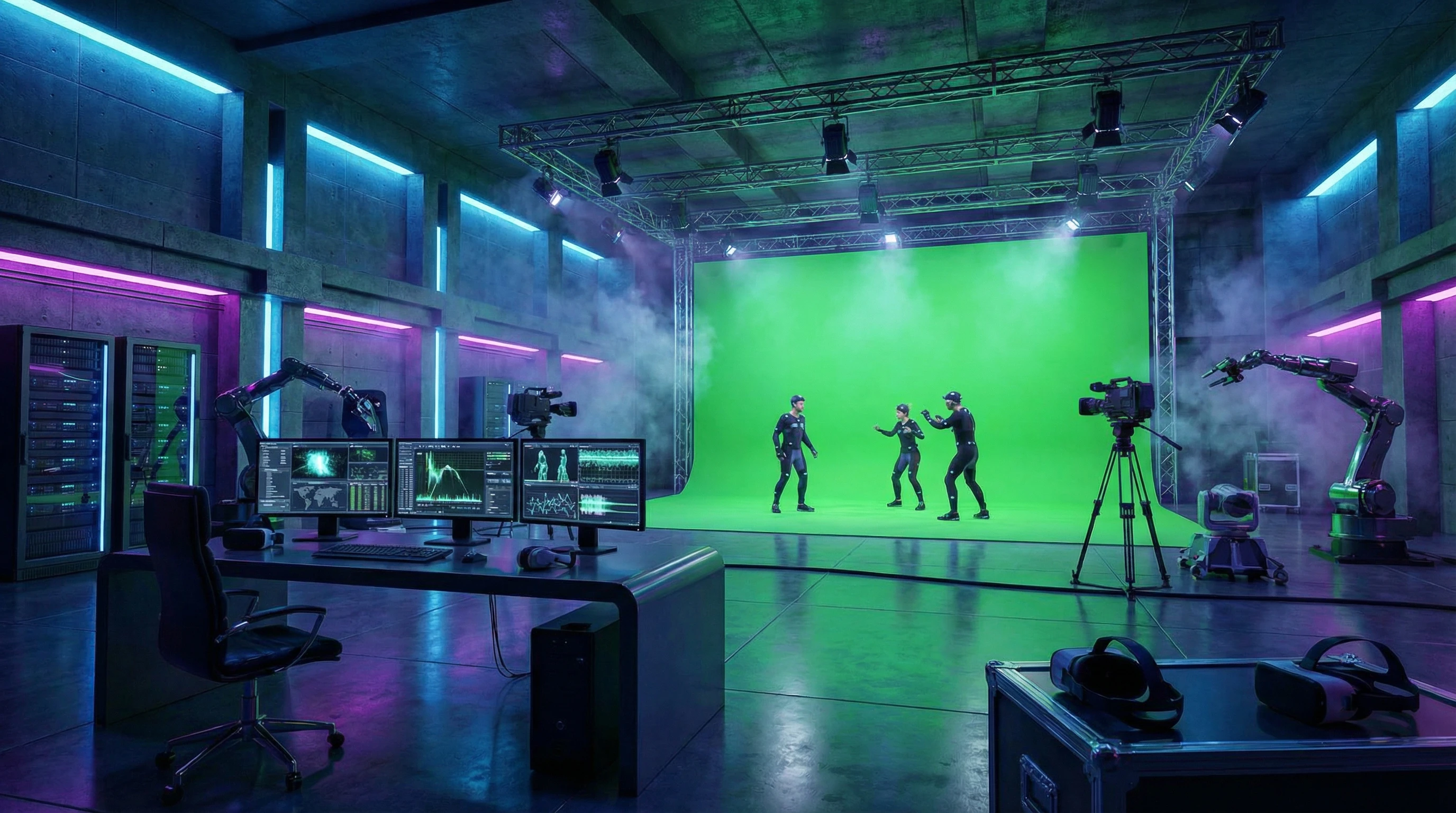
Understanding Acting for Virtual Productions
The way acting works in virtual productions is shaped a lot by technology. Virtual productions can include everything from green screen shoots for VFXheavy films, to realtime motion capture for video games, to immersive sets built with LED walls. The biggest difference is that screen presence, physicality, and voice all get filtered through digital tools and virtual environments. Sometimes, you’re suiting up in spandex covered in sensors, and other times, you’re staring at a green wall, imagining a castle or spaceship. It might feel unusual at first, but there are solid ways to get comfortable.
Virtual productions have been pushed forward by blockbuster movies and bigbudget TV, but now even indie filmmakers and game studios mix things up. The lines between film, television, and video game acting are more blurred than ever. Performance capture puts together elements from theater, traditional screen acting, and voice work all in one go.
Beginner Tips for Virtual Acting
Getting into virtual acting is more accessible now since home motion capture and digital sets are easier to find. These basics really make a difference:
- Focus on Physical Awareness: Without sets, props, or costumes to help, learning to move in a clear and purposeful way lays a strong foundation. A small gesture can read huge through a motion capture system.
- Build Imagination Skills: Facing a blank wall or tons of green screens requires improv games and exercises that spark imaginary play. Keeping your performance alive, even in a digital void, becomes much easier.
- Work With Your Voice: A strong, clear voice is crucial, especially if your performance will be animated or tweaked digitally. Voice warmups and articulation drills go a long way.
Learning how these pieces translate digitally is the first step before you switch from traditional acting to the virtual stage.
Quick Steps to Nailing Your Virtual Performance
Landing a performance that connects, even when a lot of your tools are digital, comes down to a few practical steps:
- Research the Virtual Tools: Figure out what technology you’ll be using, like motion capture suits, VR cameras, or LED walls. Getting familiar with the setup settles nerves, letting you focus on acting.
- Practice Movement Precision: Rehearse scenes in front of a mirror or record yourself. Tiny nudges or slips can be exaggerated when motion captured, so strive for clean, deliberate movement.
- Connect With Scene Partners, Even Virtually: If you’re working with someone who isn’t physically present, rehearse eye lines and timing. Sometimes you react to a tennis ball or standin; treat it with the same focus as a live partner.
- Stay Flexible: Directors might want to mix up the blocking or style on the fly since virtual scenes are easy to reset. Being adaptable and open to change is key.
- Embrace The Playback: With access to instant digital dailies or realtime previews, review your takes and tweak as needed. Watching yourself as an avatar or a composite image makes adjusting easier the more you do it.
Combining regular practice with curiosity about the tech side of things makes your virtual acting ride a lot smoother and more rewarding.
Things to Think About Before Jumping Into Virtual Productions
Virtual acting comes with its own learning curve. Here are some common hurdles and how to handle them:
- Technical Delays: Glitches, software hiccups, or hardware resets are normal. Show up with patience, keep warmed up between takes, and use downtime to stay sharp and ready.
- Physical Demands: Standing in motion capture markers or under warm LED lights for long stretches gets tiring. Drink water, stretch often, and pace yourself.
- Imagination Fatigue: Playing pretend with nothing to look at for hours can dull your energy. Creating a backstory for your character and having quick tricks to snap back into focus really helps.
- Communication: Crew may use unfamiliar jargon, like “tracking volume” or “render latency.” Don’t hesitate to ask if you’re unsure; teams are usually happy to help explain.
Technical Delays
Sometimes, you’ll wait for cameras to calibrate, digital sets to pop up, or bugs to get fixed. Sticking to your performance mindset can be tricky. I find that staying up, quietly running lines or thinking through character objectives, helps me keep my emotional spot.
Physical Demands
Virtual productions often put you in tight suits with sensors or have you in warm LEDlit studios. Staying flexible and cool makes everything more comfortable, especially on long days.
Imagination Fatigue
It’s tough to imagine you’re fleeing a dragon or piloting a ship when you’re surrounded by green. Jotting down quick character notes or running imagination exercises during breaks keeps energy fresh.
Communication Issues
You’re sharing the stage with digital artists, engineers, and directors at the same time. Clear, honest communication saves time and stress, especially if something’s unclear.
With these challenges in mind, keeping a consistent personal process and positive attitude builds your confidence and performance skills for future virtual jobs as well.
Pro Tips for Standing Out in Virtual Productions
Experienced virtual actors thrive by using practical approaches, not just talent:
Master Nuanced Expression: Subtlety is golden. Motion capture systems can make small movements seem big, so nail honest, controlled reactions instead of going broad. Always consider what your character feels before making any move.
Work Closely With Animators: Animators often know what reads on digital characters. If possible, arrange to get feedback—your connection with the tech crew can really give your work a boost.
Use Spatial Awareness: You may not see the digital set, but learning the layout helps. When you know where doors, windows, or props would be, your actions and reactions seem more genuine.
Keep Character Consistent Between Takes: Productions often bring together scenes from different days. Taking quick notes or keeping a character diary helps keep voice, posture, and motivation consistent—a real trick for continuity.
Why These Tips Matter: Realism shines when actors mesh with both scene and crew. Embrace new tools and keep humanity and authenticity front and center, no matter the world.
Starter Equipment and Digital Tools for Virtual Actors
Having the right gear and workflow tools makes performing easier. Even for new actors, learning to use the tech, or at least understanding it, is a huge plus. Here’s a look at what equipment you might run into:
- Performance Capture Suits: These suits, full of reflective or electronic markers, map your movement onto digital characters.
- Facial Capture Headsets: Certain productions use small camera rigs that capture every facial twitch closeup.
- Microphones and Sound Stages: Clear audio is as important as good visuals—learning to handle boom mics or headsets makes a difference.
- Digital Reference Monitors: These show you the virtual environment or other performers, layered with digital effects—they’re great for ‘seeing’ your world.
Savvy actors ask for quick demos or intro chats with the crew before the first shoot, easing nerves and sidestepping technology snags on set.
Frequently Asked Questions
New arrivals to virtual production tend to have a ton of questions. Some of the most common include:
Question: How do I make my performance feel natural in a motion capture suit?
Answer: Concentrate on grounding every moment in clear objectives. What does your character want? The more specific you get, the more detailed and real your digital performance will seem.
Question: What’s the best way to prepare for a green screen scene?
Answer: Break your script into beats with clear actions or goals. Use tape, floor markers, or even drawn diagrams to help offscreen cues and maintain spatial focus.
Question: Do I need to learn technical skills to act in virtual productions?
Answer: You don’t need to be a tech expert, but getting to know the basics and lingo helps a lot. Ask crew members for help; most are happy to share tips and keep actors at their best.
Wrapping Up
Virtual productions are opening up a world of new possibilities for actors everywhere. Staying sharp with classic acting skills, mixed with a friendly attitude toward technology, truly pays off. Whether your next character quests through a fantasy world or stars in a hightech city, keeping performances honest and collaborative lets stories reach unexpected heights. Keep learning, playing, and connecting—the sky’s the limit for virtual actors ready to take on anything.