

Character Emotion Mapping
Character emotion mapping is one of those behind-the-scenes writing skills that can take your stories from flat and predictable to deeply moving and memorable. Building believable, memorable characters means nailing not just what they do but why they do it, and most importantly, how they feel along the way. I’ve found that taking time to map out character emotions can make writing, and reading, way more impactful and unforgettable.

What Is Character Emotion Mapping?
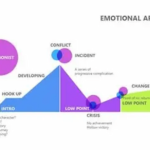
Emotion mapping for characters is about visually or structurally charting how a character’s emotional state switches up across a story. I like to picture it as sketching the road each character travels, marked with emotional signposts: happiness, fear, anger, hope, and more. You can do this with anything from sticky notes and index cards to spreadsheets and whiteboard diagrams.
This method goes further than just listing their moods; it’s about connecting emotional changes to events, choices, and even backstory. A good character emotion map lets you see at a glance what emotional beats your reader will hit alongside your characters. It’s a pretty handy approach for anyone wanting to bring real emotional arcs to life.
Why Emotion Mapping Matters in Storytelling
Stories stick with us because of their emotional punch. Think about your favorite books or movies. Chances are they hit you in the feels at just the right moments. Emotion mapping isn’t just a technical tool; it helps you:
- Keep Track of Consistency: It’s super important to make sure a character’s feelings make sense for their experiences and motivations.
- Craft Stronger Arcs: Layered emotional adventures keep both the highs and lows believable.
- Highlight Key Turning Points: Spotting when a character reaches a breaking point or experiences growth comes more naturally when you’ve set it out ahead of time.
Mapping out the emotions can also help untangle slow or awkward scenes. If a character stays stuck in one mood too long, readers will notice. The map makes it obvious where some tweaks might add energy or depth.
Breaking Down the Building Blocks: Beats, Motivations, and Backstory

Understanding Emotional Beats
An emotional beat is a moment or brief exchange that triggers a change in how your character feels. The beat could be an argument, a setback, a happy triumph, or a painful memory bubbling up. Marking these out in your emotion map helps you see whether your story is loaded with meaningful moments or if you’re coasting too long between events. Try noting significant beats within both action-driven and quieter scenes for a balanced arc.
Getting Clear on Character Motivations
You can’t really plan your character’s feelings without getting a sense of what drives them. Whether it’s survival, revenge, love, approval, or freedom, motivation shapes how they experience and express emotions. If you notice a big emotional shift on your map, double-check that it lines up with what your character wants or fears at that point. Looking at motivations not only grounds the character but also helps you avoid jarring emotional leaps.
Weaving in Backstory
The past always leaves a mark. Mapping places where a character’s emotional responses are influenced by backstory (like a betrayal, loss, or childhood dream) helps keep reactions grounded and layered. If your character suddenly panics at a closed door, the backstory in your map might reveal that it’s tied to an old trauma. Working these moments into your map can make reactions feel earned instead of random.
How to Start Mapping Emotions for Your Characters
Getting started might seem daunting, but it turns into a fun, creative exercise pretty quickly. Here’s a beginnerfriendly breakdown:
- List Key Story Events: Jot down the major plot beats or events for your main character.
- Chart Initial Emotional States: Note how your character feels at the start of your story—confident, unsure, angry, nervous?
- Mark Emotional Reactions: For each key story moment, write down the character’s natural emotional response.
- Connect Emotional Shifts: Use lines, arrows, or color coding to show progression. Does sadness turn into anger? Does hope turn into frustration? Track these connections visually to see the flow.
- Add Backstory Triggers: Whenever motivations or reactions are influenced by the past, include a note or symbol. Highlighting these triggers will make emotional changes more impactful.
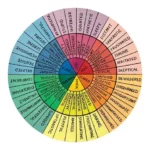
Some writers love using digital tools like Plottr or good old sticky notes on their office wall. Whatever works for you is fair game. Adding some experimentation, like using sticky notes in different colors for various emotions, helps you spot patterns at a glance.
Tips for Mapping Emotional Arcs That Stick
1. Keep It Visual: Use colors, drawings, or symbols to make it easier to scan and spot patterns. Sticky notes, spreadsheets, and free online templates can let you see the whole adventure at once.
2. Focus on Change, Not Just Mood: An emotional arc isn’t just a list of feelings. It’s about clear shifts. Did your character start out scared and end up brave? Charting that transformation adds cohesion to your story. Remember that a static character often equals a forgettable story.
3. Cross-Check With Motivation: If something feels off, look at the motivation driving a reaction. Is it believable? Does it make sense with what was mapped before? If not, tweak the motivation or event until things line up.
4. Use the Map for Revisions: When you get stuck during editing or a beta reader says a beat feels flat, your emotion map helps you quickly spot where to amp up reactions or smooth out jerky transitions. Keep your maps handy for fast updates as your draft evolves.
What to Watch Out For (Common Challenges)
- Flat or Repetitive Emotions: If your map shows that a character is too often angry or passive, it may signal things are getting one note. Switch things up by introducing new triggers or deeper motivations.
- Unexplained Mood Swings: A leap from despair to joy without an obvious reason looks odd in a map and in the story. Use your map to check for missing cause-and-effect links.
- Missing Backstory Links: If motivations feel thin, check whether you’ve skipped backstory connections that would keep responses realistic. Don’t forget these breadcrumbs, especially if the story hinges on a reveal.
- Uneven Pacing: Big emotional spikes crowded together can feel exhausting for readers and are easy to see on an emotion map. Try spreading out intense moments and leaving space for reflection in between.
Troubleshooting your emotion map is basically story CPR; it keeps your narrative heartbeat regular and your characters engaging. You may need to add or rework scenes to even out the flow and give readers—and your characters—a chance to breathe.
Advanced Tricks and Techniques
Once you’re confident with the basics, try kicking things up a notch with these techniques:
- Layer Multiple Characters: Compare maps for supporting characters and antagonists. Parallel or intersecting arcs can add tension and surprise, making the story feel richer.
- Overlay with Plot Points: Sync emotional highs and lows with plot twists or big reveals for maximum impact. Shifting arcs around plot beats makes sure every plot twist hits hard emotionally.
- Track Internal vs. External Reactions: Sometimes, a character might appear calm but is really seething inside. Mark these differences for richer conflict. Internal emotional notes can signal future blowups or growth.
- Use Theme Mapping: If your story has a core theme, note how emotions tie into it. For example, in a redemption story, chart each character’s steps toward—or away from—forgiveness. Keeping the theme front and center ensures emotional arcs stay on message.
Some writers build mood boards or playlists alongside their maps, matching music or visuals to the emotional tone of each arc. This added layer can help keep your writing sessions inspired, especially when working on large projects or series.
Tools and Resources to Make Emotion Mapping Easier

- Plottr: Very useful for digital visual mapping. Check it out on Amazon.
- The Emotion Thesaurus: A favorite resource for brainstorming authentic emotional reactions (Amazon link).
- Story Planner Apps: Websites like Story Planner help organize beats, motivations, and emotional arcs.
- Good Old Notecards: Sometimes classic is best; scatter those cards on the floor and shuffle until the emotional arc clicks.
Don’t forget to look for printable emotion mapping templates and writing communities online—many writers share free resources or swap tips on forums, making it easier to find new ways to approach emotion mapping for your project.
FAQ: Character Emotion Mapping
Question: How detailed does my character emotion map need to be?
Answer: As detailed as helps you keep track. Some writers just flag the main highs and lows, others go beat by beat. If you feel lost in your draft, a more detailed map usually fixes that fast.
Question: Can emotion mapping help with writer’s block?
Answer: Yes! Stepping back and looking at what your character is feeling (and why) can spark new ideas for moving scenes forward.
Question: Is emotion mapping just for novels?
Answer: Not at all. Short stories, screenplays, and even game writing can all get a boost from clear emotional planning.
Final Thoughts on Getting the Most Out of Character Emotion Mapping
Emotion mapping adds an extra dimension to your character development toolkit. When the emotional adventure feels real, your story stands out, and your readers won’t want to put the book down. Whether you go digital or stick to pen and paper, taking time to map out those shifting emotions pays off every time. Start simple—pick one character and a few key scenes. You’ll be surprised by how much clarity and power it adds to your writing process. Experiment, adjust, and keep tracking emotions as you draft; soon, your characters will come alive in ways you never expected.